

Important 17 Tips For Travelling To Europe
%20(1).jpg "https://pakistanwaterfallknowladge.blogspot.com/")
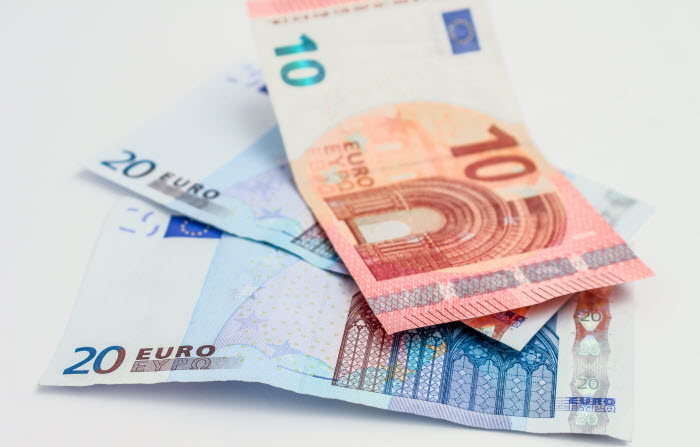
1~Europe Travel Tip – Get Your Cash at the ATM

.jpg "https://pakistanwaterfallknowladge.blogspot.com/")
When
traveling to Europe, accessing local currency is essential for seamless
transactions and exploring various destinations. One of the most convenient
ways to obtain cash abroad is through ATMs. Here are some insightful tips to
optimize your experience when getting cash at ATMs while exploring the charming
cities of Europe:
Firstly, ensure that you seek ATMs affiliated with major banks to minimize
withdrawal fees. Some independent ATMs may charge exorbitant fees, which can
significantly impact your travel budget. By choosing reputable bank ATMs, you
can avoid unnecessary expenses and access your funds more economically.
Secondly, before your journey, inform your bank about your travel plans. This
simple step can prevent your card transactions from being flagged as suspicious
due to international activity. By notifying your bank, you can ensure a
seamless banking experience and prevent any unexpected disruptions in accessing
your funds while abroad.
Additionally, consider withdrawing larger amounts of cash in a single
transaction to reduce the frequency of ATM withdrawals. Each withdrawal may be
subject to transaction fees, so withdrawing more substantial sums less
frequently can help you save on fees and streamline your financial transactions
during your European escapades.
Furthermore, exercise caution and vigilance when using ATMs in unfamiliar
locations. Look for ATMs situated in well-lit and secure areas to minimize the
risk of falling victim to skimming devices or other fraudulent activities.
Prioritize your safety and security by being mindful of your surroundings and
protecting your personal and financial information at all times.
Lastly, take the time to familiarize yourself with the local currency and
exchange rates of the countries you plan to visit in Europe. Understanding the
value of the local currency can prevent confusion during transactions and help
you make informed financial decisions while exploring the continent's diverse
landscapes and cultures.
By integrating these practical tips into your travel preparations, you can
optimize your experience when obtaining cash at ATMs in Europe. Embrace the
convenience and efficiency of using ATMs to access local currency during your
European adventures, and immerse yourself fully in the enchanting experiences
that this region has to offer. Safe travels!
2~ Europe Travel Tip – Be Careful of the European Bag Snatcher
.jpg "https://pakistanwaterfallknowladge.blogspot.com/")

Introduction
Traveling through Europe can be a charming encounter, filled with verifiable points of interest, social ponders, and extraordinary undertakings. Be that as it may, among the cobblestone lanes and beautiful squares, a disastrous reality prowls: the hazard of experiencing a pack snatcher. This exposition digs into the strategies, affect, and anticipation techniques related to sack grabbing in Europe, pointing to arm travelers with information to ensure themselves and their belongings.
The Modus Operandi of European Sack Snatchers
European sack snatchers are infamous for their tricky and deftness. They frequently work in tourist-heavy ranges where they can mix into the swarm. Common strategies include:
The Distractor and the Snatcher: One cheat will make a diversion, such as inquiring for bearings or spilling something on the casualty, whereas their accessory gets the pack and vanishes into the crowd.
The Motorbike Drive-by: Especially predominant in Southern Europe, hoodlums on motorbikes will drive by and grab packs from people on foot, abusing the component of shock and their vehicle’s speed for a speedy getaway.
Crowded Spaces and Open Transport: In places like trams or active markets, hoodlums take advantage of the near quarters to unfasten packs or cut straps without being noticed.
The Affect on Victims
Being a casualty of pack grabbing can have serious repercussions past the prompt misfortune of resources. These include:
Emotional Trouble: The stun and infringement of individual space can lead to uneasiness and a waiting sense of insecurity.
Financial Misfortune: The misfortune of cash, credit cards, and other resources can be critical, particularly if the casualty is incapable of recuperating these items.
Inconvenience: Supplanting stolen travel permits, credit cards, and other vital archives can disturb travel plans and bring about extra costs.
Prevention Strategies
Travelers can take a few steps to moderate the chance of falling casualty to pack snatchers:
Awareness and Watchfulness: Continuously be mindful of your environment and the individuals close to you, particularly in swarmed areas.
Secure Your Possessions: Utilize anti-theft packs with slash-proof straps, lockable zippers, and RFID-blocking pockets. Keep sacks near to your body and dodge carrying them in easy-to-grab positions.
Distribute Resources: Do not keep all your resources in one put. Convey cash, cards, and vital records in diverse pockets or pouches.
Avoid Self-evident Visitor Behavior: Mix in with the local people as much as conceivable. Maintain a strategic distance from looking misplaced or excessively involved with maps and manuals, as this can check you as a target.
Use Lodging Safes: When conceivable, take off your resources in the lodging secure instead of carrying them all with you.
Stay Associated: Travel with a companion or remain in touch with companions and family. Having somebody to help you in a crisis can be important.
3~ Europe Travel Tip –
Wear Comfortable shoes
.jpg "https://pakistanwaterfallknowladge.blogspot.com/")

Introduction
Traveling through Europe is a dream for numerous, filled with famous points of interest, wealthy history, and differing societies. In any case, the cobblestone lanes, memorable locales, and endless scenes request one vital travel companion: comfortable shoes. This exposition investigates why wearing comfortable shoes is basic for a pleasant European enterprise, the sorts of shoes best suited for distinctive exercises, and down-to-earth tips for selecting the idealize pair.
The Significance of Comfortable Shoes in Europe
Europe's charm lies in its walkability. Cities like Rome, Paris, and Prague welcome travelers to investigate their excellence on foot, uncovering covered-up diamonds that are frequently blocked off by car or open transport. Comfortable shoes play a basic part in guaranteeing that travelers can completely drench themselves in these encounters without inconvenience or injury.
Long Strolling Visits: Numerous European cities are best investigated through strolling visits that can final a few hours. Comfortable shoes offer assistance in anticipating rankles, foot torment, and weariness, making these visits more enjoyable.
Uneven Surfaces: Cobblestone lanes, uneven sidewalks, and notable pathways can be dubious to explore. Strong, steady shoes give way better grasp and soundness, decreasing the chance of trips and falls.
Standing in Lines: Well-known attractions like the Eiffel Tower, the Colosseum, and the Vatican frequently have long lines. Comfortable shoes guarantee that standing in line doesn't end up an ordeal.
Varying Landscapes: From the rolling slopes of Tuscany to the tough cliffs of the Scottish Good countries, Europe's differing territories require footwear that can handle diverse environments.
Types of Shoes for Diverse Activities
Choosing the right shoes depends on the exercises arranged amid your European enterprise. Here are a few recommendations:
Walking Visits and City Investigation: Lightweight shoes or strolling shoes with great curve bolster and padding are perfect for urban investigation. Brands like Unused Adjust, Adidas, and Asics offer smart but utilitarian options.
Hiking and Nature Trails: For those arranging to climb in the Alps, investigate the Scottish Good countries, or meander through the vineyards of France, climbing boots or path shoes with great footing and lower leg back are fundamental. Consider brands like Merrell, Salomon, and Columbia.
Evening and Casual Trips: For feasting out or casual walks, comfortable loafers, pads, or in vogue however strong shoes can be a great choice. Guarantee they have a padded insole and were broken sometime recently during the trip.
Water Exercises and Shoreline Days: If your schedule incorporates shorelines or vessel visits, waterproof shoes or shoes with quick-dry capabilities are a keen choice
Tips for Selecting the Culminate Pair
Choosing the right shoes requires cautious thought of consolation, back, and common sense. Here are a few tips to offer assistance you make the best choice:
Break Them In Modern shoes can cause rankles and distress. Wear your unused shoes for brief periods sometime recently your trip to guarantee they are comfortable and broken in.
Consider Insoles: Custom or high-quality insoles can give extra bolster and consolation, particularly for those with particular foot conditions.
Pack Different Sets: Depending on your exercises, pressing more than one combination of shoes can be useful. This permits you to switch shoes and donate your feet a break from a single pair's weight points.
Check the Climate: Consider the climate conditions of your goal. Waterproof shoes are fundamental for stormy locales, whereas breathable, lightweight shoes are superior for hotter climates.
Style and Work: Whereas fashion is vital, never give up consolation for mold. Luckily, numerous brands offer shoes that are both smart and comfortable, reasonable for an assortment of settings.
4~ Europe Travel Tip – Know
Your Credit Cards And When They Use Them.


Introduction
Traveling through Europe is an energizing enterprise filled with social encounters, verifiable points of interest, and culinary delights. Be that as it may, exploring the money-related angles of your trip, especially credit card utilization, can be challenging. Understanding the complexities of your credit cards and knowing when and how to utilize them can spare you cash, dodge the burden, and improve your travel encounters. This paper gives experiences into the sorts of credit cards best suited for European travel, the significance of knowing your card’s highlights, and tips on utilizing them effectively.
Types Of credit cards suited for Europe travel.
Different credit cards offer different benefits and highlights that can be profitable for travelers. Here are a few key sorts to consider:
Travel Rewards Credit Cards: These cards offer focuses or miles for buys, which can be recovered for flights, lodging remains, and other travel-related costs. See for cards with sign-up rewards and no outside exchange expenses. Illustrations incorporate the Chase Sapphire Favored and the Capital One Wander Rewards Card.
No Remote Exchange Charge Cards: Remote exchange expenses can increase rapidly. Cards without these expenses, like the Find it Miles and the Bank of America Travel Rewards card, can spare you 1-3% on each buy made exterior your domestic country.
Chip-and-PIN Cards: Whereas most American credit cards presently come with EMV chips, a few European sellers and computerized machines (like prepared ticket stands) still require a Stick.Having a chip. and PIN cards can be significant for smooth Exchange. Cards from Barclays and a few credit unions regularly have this feature.
Global Acknowledgment Cards: Visa and MasterCard are broadly acknowledged in Europe, whereas American Express and Find have more constrained acknowledgments. Guarantee you carry at least one Visa or MasterCard for broader usage.
Knowing Your Credit Card’s Features
Understanding the particular highlights and benefits of your credit cards is fundamental for maximizing their utility amid your travels:
Foreign Exchange Expenses: Confirm if your card charges outside exchange expenses and consider utilizing a card that postpones these expenses to spare cash on each purchase.
Travel Protections: Numerous travel rewards cards offer built-in travel protections, counting trip cancellations, things delays, and restorative crisis scope.
Purchase Securities: Highlights like expanded guarantees, buy assurance, and return assurance can be profitable when shopping overseas. Know which cards offer these benefits.
Reward Profit: Get it how your card gains rewards (e.g., higher focuses for travel-related buys) and utilize it deliberately to maximize your earnings.
Fraud Security: Guarantee your card has strong extortion assurance and checking. Inform your guarantor of your travel dates to prevent your card from being hailed for suspicious activity.
Utilizing Credit Cards Successfully in Europe.
Notify Your Bank: Illuminate the credit card guarantor of your travel plans to dodge any disturbances due to security alerts.
Carry Different Cards: Having more than one credit card gives a reinforcement if one is misplaced, stolen, or declined. Carry cards from distinctive systems (Visa, MasterCard, American Express) for more extensive acceptance.
Use Nearby Money: When given the alternative, continuously select to pay in the neighborhood cash or maybe your domestic cash to maintain a strategic distance from energetic money transformation expenses, which can be costly.
ATMs and Cash Withdrawals: Utilize your credit card for bigger buys and a charge card for ATM withdrawals. Guarantee your charge card is connected to an account with moo or no worldwide withdrawal fees.
Keep Contact Data Helpful: Have your card issuer’s contact data open in case you are required to report a misplaced or stolen card or resolve other issues.
Secure Your Cards: Keep your cards in a secure put, utilize RFID-blocking wallets to anticipate electronic pickpocketing, and screen your account frequently for any unauthorized exchanges.
5~ Europe Travel Tip – Cars
and hostels are smaller in Europe.


Introduction
Traveling through Europe offers a unique blend of history, culture, and stunning landscapes. However, one aspect that often surprises travelers, especially those from countries like the United States, is the size of cars and hostels. In Europe, both tend to be significantly smaller, impacting various aspects of travel. Understanding these differences can help you better prepare for your trip, ensuring a more comfortable and enjoyable experience.
The Size of European Cars
This is primarily due to narrower roads, older city infrastructures, and a cultural preference for efficiency and environmental consciousness.
1. Narrow Roads and Parking: European cities, with their medieval and early-modern urban layouts, often feature narrow streets and tight parking spaces. Compact cars are easier to navigate through these streets and fit into smaller parking spots, making them more practical for urban driving.
2. Fuel Efficiency: Europeans prioritize fuel efficiency due to higher fuel prices and a greater emphasis on reducing carbon footprints. Smaller cars are typically more fuel-efficient, making them an economical choice for both residents and travelers.
3. Rental Cars: When renting a car in Europe, expect a range of smaller vehicles. It’s advisable to book a car that suits the size of your travel party and luggage. Compact or subcompact models are common, and while they might be smaller than what you're used to, they are well-suited to European driving conditions.
4. Manual Transmission: Many European rental cars come with manual transmissions. If you are not comfortable driving a stick shift, ensure you specify the need for an automatic when booking, as these are less common and may cost more.
The Size of European Hostels
European hostels also tend to be more compact compared to those in other parts of the world. This is influenced by the continent’s historical architecture, urban density, and a focus on efficient use of space.
1. Room Size: Hostel rooms in Europe are often smaller, with limited space for luggage and personal belongings. Dormitory-style rooms with multiple bunk beds are common, which helps maximize space but may limit privacy and personal space.
2. Shared Facilities: Bathrooms, kitchens, and common areas are typically shared among guests. These facilities are often smaller and may require waiting times, especially during peak travel seasons. Be prepared to share and interact with fellow travelers.
3. Efficient Use of Space: European hostels make efficient use of available space. Storage solutions like under-bed lockers and wall-mounted shelves are common. Pack light to ensure you can comfortably store your belongings without taking up too much space.
4. Historical Buildings: Many hostels are housed in older, historic buildings. While this adds charm and character, it also means that rooms and facilities may not be as spacious as those in more modern constructions. Embrace the experience of staying in a building with history, but adjust your expectations regarding room size and amenities.
Tips for Adjusting to Smaller Cars and Hostels
1. Pack Light: Limit your luggage to essentials to make the most of the smaller spaces in cars and hostels.
2. Book Accordingly: When renting a car, choose a model that comfortably fits your travel group and luggage. For hostels, consider private rooms if you need more space and privacy.
3. Adjust Expectations: Embrace the European approach to space efficiency. Recognize that smaller accommodations and vehicles are part of the travel experience, contributing to the continent’s charm and uniqueness.
4. Be Organized: Keep your belongings organized and make use of available storage solutions in hostels. In cars, pack efficiently to maximize space and ensure comfort during your travels.
6~ Europe Travel Tip – pre-book
major attractions in advance.


6~ Europe Travel Tip – pre-book major attractions in advance.
Traveling to Europe offers an array of historical landmarks, cultural treasures, and iconic attractions that draw millions of visitors annually. To ensure a smooth and enjoyable experience, pre-booking tickets to major attractions is essential.
One of the primary benefits of pre-booking is the ability to skip long lines. Popular sites like the Eiffel Tower in Paris, the Vatican Museums in Rome, and the Sagrada Familia in Barcelona often have extensive queues that can consume valuable sightseeing time. By securing tickets in advance, travelers can bypass these lines and make the most of their trip.
Moreover, pre-booking guarantees entry to high-demand attractions, which can sell out quickly, especially during peak tourist seasons. This ensures that you won't miss out on must-see sites due to last-minute unavailability.
Additionally, many attractions offer discounts or special rates for tickets purchased online in advance. This can result in significant savings, allowing travelers to allocate their budget to other experiences.
In conclusion, pre-booking tickets for major attractions in Europe enhances your travel experience by saving time, ensuring access, and potentially reducing costs. This proactive approach allows for a more relaxed and well-planned journey, maximizing the enjoyment of your European adventure.
7~ Europe Travel Tip – bring
your meds and pharmacy essentials


Traveling through Europe offers exciting experiences and unforgettable memories, but it’s crucial to be prepared for any health-related needs by bringing your medications and pharmacy essentials.
Firstly, European pharmacies may not carry the same brands or formulations of medications you use at home. Bringing your prescription medications ensures you have the necessary treatments without the risk of substitution or unavailability. Keep them in their original packaging, along with a copy of your prescription, to avoid issues with customs and ensure clarity in case you need a refill.
Over-the-counter medications for common ailments such as headaches, allergies, and digestive issues are also essential. While European pharmacies are generally well-stocked, language barriers and unfamiliar brands can make it difficult to find what you need quickly.
Basic first-aid supplies, including band-aids, antiseptic wipes, and pain relievers, should also be part of your travel kit. These items are convenient for addressing minor injuries or discomforts immediately, avoiding the need to locate a pharmacy in an unfamiliar area.
In conclusion, bringing your medications and pharmacy essentials ensures that you are prepared for any health issues that may arise, allowing you to focus on enjoying your European adventure with peace of mind.
8~ Europe Travel Tip – Avoid
cabs


Traveling through Europe provides a wealth of transportation options that can enhance your experience, save money, and allow you to immerse yourself more fully in local culture. One tip for making the most of your European adventure is to avoid taking cabs whenever possible.
Firstly, cabs in Europe can be quite expensive, especially in major cities like Paris, London, and Rome. The fares can quickly add up, eating into your travel budget. Opting for public transportation—such as buses, trams, and metro systems—is significantly more cost-effective and reliable. These networks are extensive, efficient, and designed to cover major tourist attractions as well as local neighborhoods.
Secondly, using public transportation offers a more authentic experience. You’ll get a chance to see how locals commute and potentially discover hidden gems along the way. Additionally, many European cities have walkable centers with pedestrian-friendly streets, allowing you to explore at a leisurely pace and absorb the local atmosphere.
Moreover, cabs are often unnecessary due to the availability of ride-sharing services like Uber and Lyft, which can be more affordable and convenient. These apps provide transparent pricing and allow you to avoid potential language barriers and the risk of being overcharged.
In conclusion, avoiding cabs in Europe can save you money, provide a richer travel experience, and offer more reliable transportation options. Embracing public transport and walking not only enhances your trip but also allows you to see more of the cities you visit, making your European journey even more memorable.
9~Europe Travel Tip – Be apprehensive of the Cultural Differences Across Europe


Europe is a mainland rich in different societies, languages, and traditions. When traveling through Europe, being apprehensive of these artistic differences can greatly enhance your experience and help you navigate relations with locals hypercritically and effectively.
originally, language varies significantly across Europe. While English is extensively spoken in sightseer areas, learning a many introductory expressions in the original language can go a long way. Simple felicitations and polite expressions in French, German, Italian, or Spanish, for case, are frequently appreciated and can foster more positive relations.
For illustration, promptitude is largely valued in Germany and Switzerland, whereas southern European countries like Spain and Italy have a more relaxed approach to time. Understanding these differences can help you acclimate your prospects and geste to fit original customs, avoiding implicit misconstructions.
Dining form also varies. In Italy, refections are tardy affairs, and rushing through a mess may be seen as rude. In discrepancy, in some Nordic countries, effectiveness and quick service are appreciated. tilting practices also differ; in numerous countries, a service charge is included in the bill, whereas in others, leaving a tip is customary.
also, dress canons can vary. In religious spots similar to churches in Italy or Spain, modest apparel is needed. Again, sand vesture might be more liberal in places like the French Riviera.
In conclusion, being apprehensive of artistic differences across Europe enhances your trip experience by fostering regardful relations and helping you acclimatize to original customs. This mindfulness not only enriches your understanding of each destination but also contributes to further meaningful and pleasurable trip gests.
10~ Europe Travel Tip – make
sure you have all the required documents to travel


Traveling to Europe is an energizing enterprise, but it requires cautious planning, especially with respect to essential travel reports. Guaranteeing you have all the required reports is vital for a smooth and hassle-free trip.
Firstly, a substantial visa is basic for universal travel. Make beyond any doubt your international ID is up-to-date and will not lapse within six months of your travel dates, as numerous European nations have this prerequisite. Moreover, a few nations require a visa for passage. Check the visa prerequisites for each nation you arrange to visit well in progress and apply for visas if necessary.
Secondly, it's fitting to carry a printed and advanced duplicate of your travel schedule, counting flight points of interest, settlement bookings, and any pre-booked visits or exercises. This can be accommodating for movement specialists and gives reinforcement in case of any travel disruptions.
Travel protection is another basic archive. It gives scope for restorative crises, trip cancellations, and misplaced possessions, advertising peace of intellect and monetary security. Make beyond any doubt, a duplicate of your protection arrangement and the contact data for your protection provider.
Moreover, if you arrange to drive, a Universal Driving Allow (IDP) might be required in expansion to your domestic country’s driver’s permit. Check the particular prerequisites of the nations you will be driving in.
In conclusion, having all the vital travel reports guarantees consistent European travel. Legitimate arrangements, counting visa legitimacy, visa prerequisites, travel protections, and any extra grants, permit you to center on getting a charge out of your trip without the stretch of unforeseen bureaucratic obstacles.
11~ Europe Travel Tip –pack
an adapter/converter for Europe.


Europe Travel Tip – Pack an Adapter/Converter for Europe
Traveling to Europe is an energizing involvement filled with modern sights and sounds, but one fundamental travel tip is to pack a connector or converter for your electronic gadgets. Distinctive nations in Europe have changed electrical guidelines and plug sorts, making this a vital angle of your travel preparation.
Firstly, European nations utilize diverse plug sorts compared to those in the Joined together States and other parts of the world. The most common sorts in Europe are Sort C (two circular pins), Sort E, and Sort F (too two circular pins but with slight varieties). Without the rectified connector, you won't be able to plug in your gadgets, possibly leaving out you without control of your basic gadgets.
Secondly, Europe's electrical voltage is ordinarily 220-240V, whereas numerous nations like the Joined together States utilize 110-120V. A few electronic gadgets, particularly those that aren't double voltage, require a voltage converter to maintain a strategic distance from harm. Check your gadgets for a name showing "110-240V"; if it as it were records 110V, you will require a converter.
Moreover, having an adapter/converter set guarantees you can charge all your gadgets, including smartphones, portable workstations, cameras, and other travel fundamentals. This can be especially critical for exploring your trip, remaining associated with family and companions, and capturing memories.
In conclusion, pressing a connector and converter for Europe is crucial for keeping your electronic gadgets operational. Guaranteeing compatibility with European plug sorts and voltage measures will spare you from the burden of uncharged gadgets and potential harm, permitting you to appreciate your European experience completely arranged and associated.
12~ Europe Travel Tip –pack
light


Europe Travel Tip – Pack Light
Packing light is a fundamental tip for anybody traveling through Europe. It upgrades versatility, decreases push, and permits for a more agreeable and adaptable travel experience.
Firstly, Europe’s different transportation choices frequently incorporate trains, buses, and strolling through cobblestone lanes. Overwhelming or bulky gear can be awkward when exploring these modes of transport. A lightweight, compact bag or rucksack is much less demanding to handle on trains, in swarmed buses, and up flights of stairs in more seasoned buildings without elevators.
Secondly, pressing light empowers you to bring as it were the basics, making it simpler to keep track of your possessions. This decreases the hazard of losing things and disentangles pressing and unloading at each goal. A moderate approach to pressing too permits you to move rapidly and proficiently, empowering unconstrained side trips and changes to your agenda without the burden of overwhelming luggage.
Moreover, lighter baggage can spare you cash. Numerous European carriers and budget carriers have strict things approaches with expenses for checked sacks and overweight gear. By pressing the light, you can regularly fit everything into a carry-on, dodging these extra costs and the hazard of misplaced checked baggage.
Lastly, pressing light cultivates a more comfortable and less unpleasant travel involvement. You can move more unreservedly and effortlessly, permitting you to center on getting a charge out of the sights and encounters Europe has to offer.
In conclusion, pressing light is a shrewd technique for European travel. It improves portability, rearranges coordinations, spares cash, and diminishes stretch, empowering you to completely appreciate your experience over the landmass.
13~ Europe Travel Tip –try
to sleep on the flight to Europe.


Europe Travel Tip – Try to Sleep on the Flight to Europe
One crucial travel tip for flying to Europe is to try to sleep during your flight. This can significantly enhance your travel experience by helping you adjust to the new time zone and start your trip feeling refreshed.
Firstly, most flights to Europe from North America and other continents are overnight, arriving early in the morning. Sleeping on the plane can help you avoid severe jet lag, allowing you to sync your body clock with the local time upon arrival. This can make the first few days of your trip more enjoyable, as you’ll be less tired and more able to explore your destination.
Secondly, a good night’s sleep can boost your energy levels and mood, making you feel more alert and positive as you begin your travels. Arriving well-rested enables you to start sightseeing immediately, maximizing your time and making the most of your trip.
To improve your chances of sleeping well on the flight, consider bringing an eye mask, earplugs, or noise-canceling headphones to block out light and noise. Wearing comfortable clothing and using a neck pillow can also help you relax and sleep better.
Additionally, try to avoid caffeine and heavy meals before and during the flight, as they can interfere with your ability to sleep. Staying hydrated and performing some light stretching exercises can also promote better rest.
In conclusion, trying to sleep on your flight to Europe is a practical tip that can help you adjust to the new time zone and arrive feeling refreshed and ready to explore. By preparing appropriately and creating a conducive environment for sleep, you can enhance your overall travel experience and make the most of your European adventure.
14~ Europe Travel Tip –travel
with local currency


Europe Travel Tip – Travel with Neighborhood Currency
When traveling through Europe, it’s fundamental to carry neighborhood cash to guarantee a smooth and helpful travel involvement. Whereas credit cards are broadly acknowledged, having cash on hand can be vital for different situations.
Firstly, numerous little businesses, markets, and neighborhood merchants are inclined toward cash or may not acknowledge credit cards at all. This incorporates charming cafes, road nourishment slows down, and gift shops where you might need to make fast buys. Having nearby money guarantees you can completely appreciate these interesting encounters without hassle.
Secondly, cash is regularly required for tips, open restrooms, and open transportation. For illustration, in a few nations, you may require coins to purchase metro tickets or utilize lockers at prepare stations. Moreover, smaller categories are valuable for tipping benefit staff in eateries or lodgings, as well as for taxis in places where card installments are not common.
Obtaining nearby money sometimes when you arrive or at official trade workplaces and ATMs in the goal nation can too spare you cash. This approach ordinarily offers way better trade rates than changing over cash at air terminals or traveler hotspots, where expenses and rates are frequently less favorable.
Moreover, carrying a little sum of cash gives a reinforcement in case of card issues. ATMs or card installments may not continuously be solid, particularly in farther zones or amid arranged outages.
In conclusion, traveling with neighborhood cash in Europe improves your travel encounter by giving comfort, adaptability, and money-related readiness. It permits you to appreciate neighborhood markets, pay for little costs, and explore different circumstances easily, guaranteeing you make the most of your European experience.
15~ Europe Travel Tip –try
to learn the language


Europe Travel Tip – Attempt to Learn the Language
Learning essential expressions in the neighborhood dialect can altogether improve your travel encounter in Europe. Basic welcome, courteous expressions, and common questions in French, German, Italian, or Spanish can offer assistance you exploring day-by-day intuition and appear regard for the nearby culture.
Locals regularly appreciate the exertion, which can lead to more positive and inviting intelligence. Knowing key expressions can also be priceless in circumstances like requesting nourishment, inquiring about headings, or understanding signs.
In conclusion, learning the neighborhood dialect improves your European travel encounter, making it more agreeable and true.
16~ Europe Travel Tip –avoid
roaming charges on your cell phone.


Europe Travel Tip – Maintain a strategic distance from Wandering Charges on Your Cell Phone
To dodge extreme meandering charges on your cell phone while traveling in Europe, consider a few viable alternatives. Firstly, check with your portable supplier for almost universal plans. Numerous carriers offer reasonable every day or month-to-month bundles for universal utilization, which can altogether diminish costs.
Another viable arrangement is to purchase a neighborhood SIM card upon entry. This gives you access to nearby rates for calls, writings, and information, making it a cost-effective choice for amplified remains. Guarantee your phone is opened to utilize an outside SIM.
Alternatively, depend on Wi-Fi for communication. Utilize apps like WhatsApp, Skype, or Zoom for calls and messages over Wi-Fi, accessible in most lodgings, cafes, and open spaces.
Additionally, consider versatile Wi-Fi gadgets, which can be leased or acquired, giving a secure and solid web association wherever you go.
In conclusion, by arranging ahead and utilizing neighborhood SIM cards, Wi-Fi, or universal plans, you can successfully dodge meandering charges and remain associated amid your European voyages.
17~ Europe Travel Tip –remember
you’re not in Canada anymore!


Europe Travel Tip – Keep in mind You’re Not in Canada Anymore!
When traveling through Europe, it's critical to keep in mind that you're not in Canada any longer. Grasp the contrasts in culture, traditions, and day-by-day life. European cities may have distinctive eating hours, tipping hones, and open transport frameworks. Be arranged for smaller roads, more seasoned buildings, and an assortment of languages.
Respect neighborhood traditions and behavior, such as welcoming individuals in their nearby dialect and following dress codes at devout destinations. Be open to unused encounters and adaptable with your plans, as this will upgrade your travel enterprise and offer assistance to you completely appreciate the wealthy differing qualities Europe offers.


%20(1).jpg&description=Important 17 Tips For Travelling To Europe (Enjoy Travelling))
0 Comments